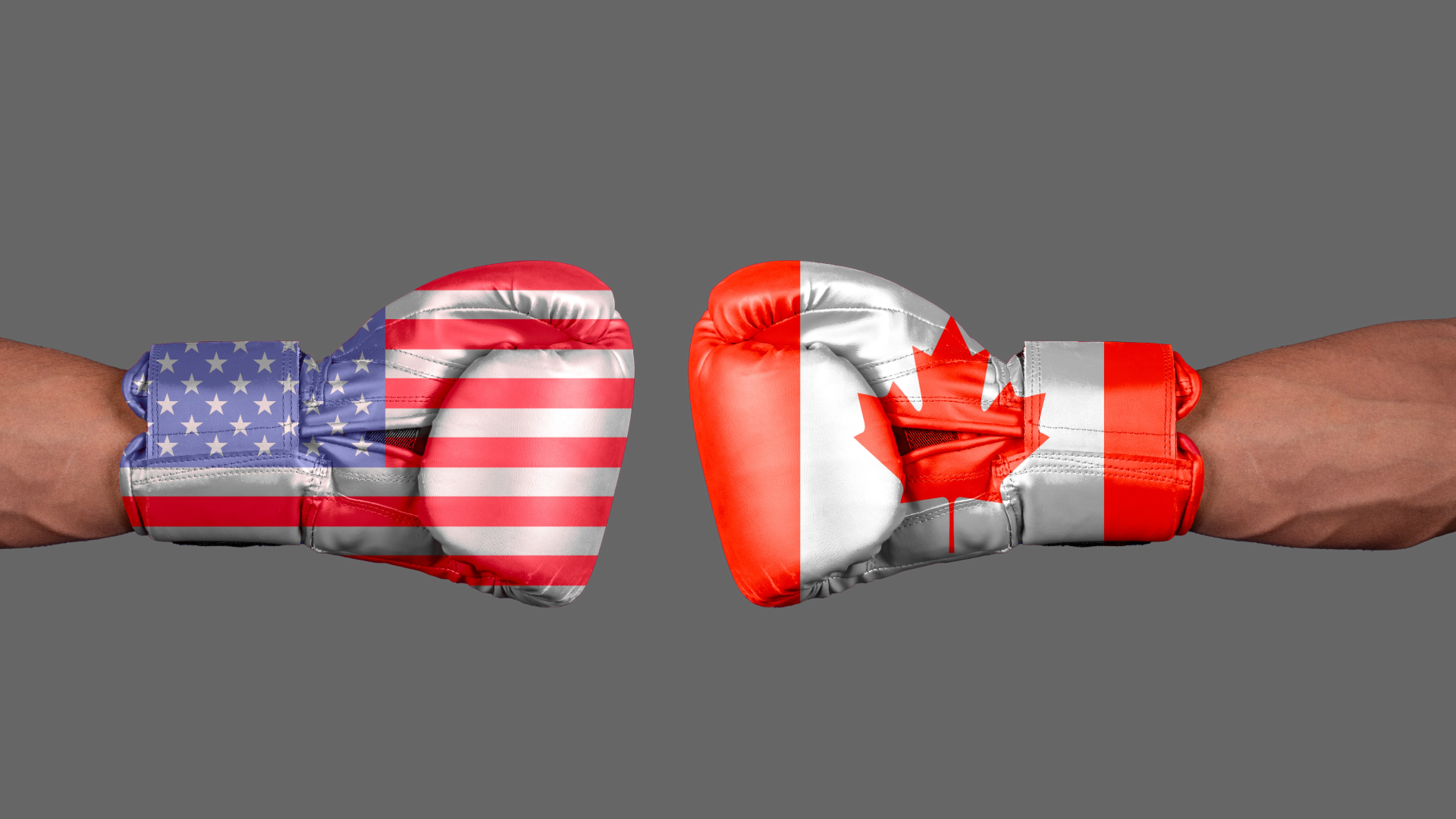
Representative Bill Huizenga’s endorsement of the administration’s 50% tariff on Canadian goods marks a concerning shift toward executive trade protectionism that places the economic health of Southwest Michigan at risk. By defending the unilateral imposition of Section 338 duties following the collapse of bilateral negotiations, Huizenga has prioritized allegiance to broad trade posturing over the distinct interests of the industrial and agricultural communities he represents.
The Domestic Toll on Integrated Supply Chains
Southwest Michigan’s regional economy does not operate in isolation; it is deeply bound to cross-border commerce with Canada. Industries ranging from automotive component manufacturers in Kalamazoo and St. Joseph to commercial builders rely heavily on Canadian raw materials—including specialty metals, lumber, and intermediate machinery—that cross the border multiple times during production. Imposing a blanket 50% tariff on these inputs drastically inflates operational overhead, narrows profit margins, and weakens manufacturing competitiveness. Rather than shielding domestic enterprise, these levies function as a direct penalty on local producers who lack immediate domestic alternatives for critical supply-chain inputs.
Agricultural Strain and Escalating Consumer Costs
The fallout extends beyond assembly lines to regional agriculture and everyday household budgets. As Canada implements dollar-for-dollar retaliatory tariffs targeting American agricultural machinery, paper products, and food exports, local farmers face diminished access to their top international market. Simultaneously, residents across Southwest Michigan confront compounding consumer inflation on essential items—from building materials and tools to household groceries. Analysis indicates that Michigan households carry one of the highest net tariff price burdens in the nation, directly undercutting promises of regional economic relief.
Political Rationalization vs. Regional Realities
What makes Huizenga’s posture particularly contentious is his explicit acknowledgment of the localized disruption. By conceding that his constituents would face higher prices and operational friction while asserting that the trade strategy remains “the right thing to do,” Huizenga frames regional hardship as necessary collateral damage. Furthermore, voting repeatedly to shield trade authority from congressional oversight forfeits the legislative branch’s role in protecting local economies from executive overreach. Southwest Michigan requires pragmatic legislative leadership that safeguards vital border trade, rather than uncritical support for tariff regimes that raise costs for local businesses and working families.